How You Should Prepare Your Fireplace This Fall
Fall is here, whether you’re ready for it or not. If you have a fireplace, you probably can’t wait to light it up. But wait! Before you strike that match, it’s crucial to make sure the fireplace and chimney are safe and ready for the long, cold season ahead.
The Advanced Chimney Sweep team wants you and your family to enjoy fall and winter with your fireplace safely, and here’s what we recommend to get your fireplace into tip-top shape.
Get That Chimney Inspected!
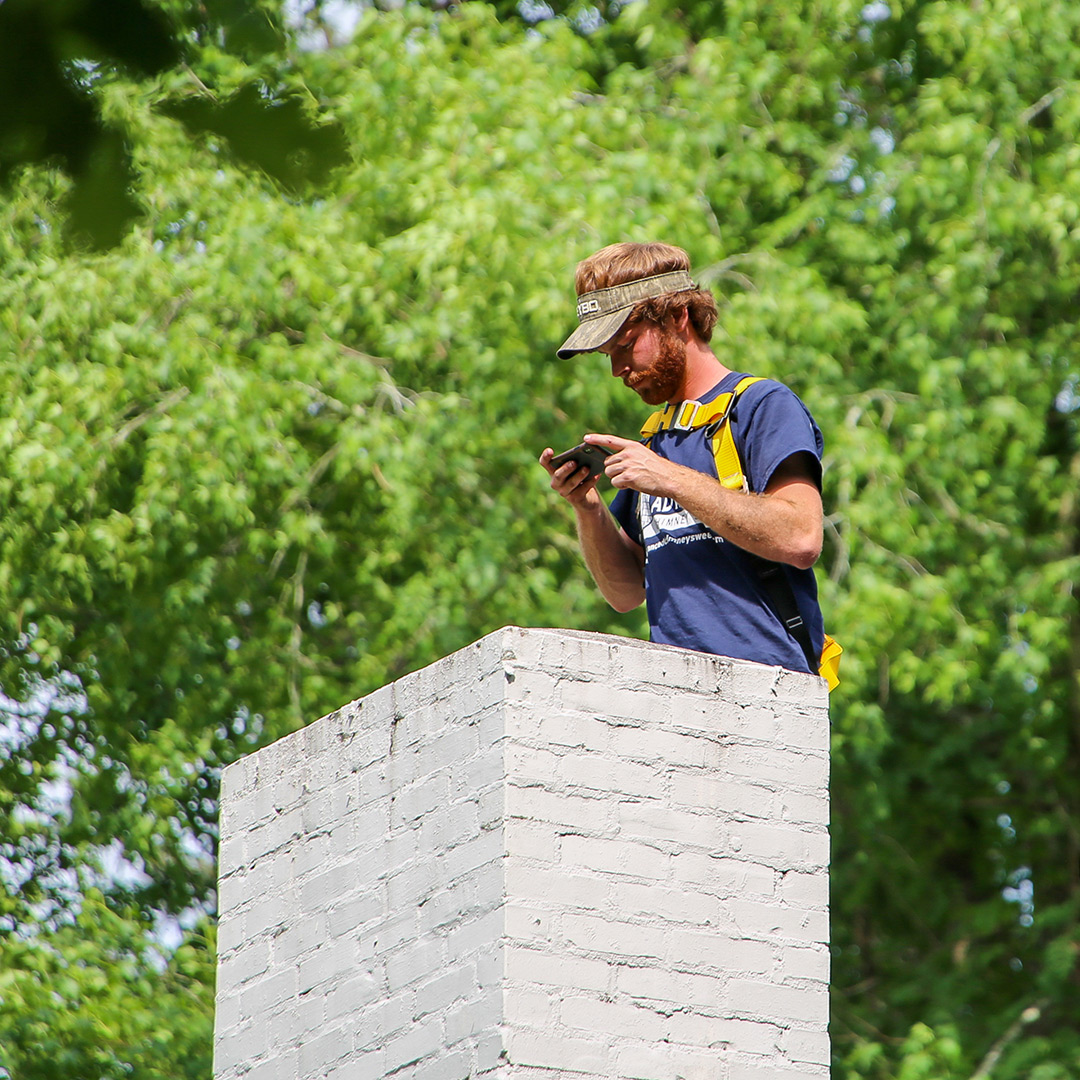
The National Fire Protection Association says that you should get your fireplace, chimney, and vents inspected at least once a year. A certified chimney sweep can identify issues, like creosote buildup, chimney and vent blockages, and structural damage, that you might miss if you try to do this yourself. For example, creosote is a highly flammable wood-burning byproduct that’s a leading cause of chimney fires, and only a pro can remove it effectively.
Getting this done in early fall ensures any problems are caught and dealt with before you start using the fireplace.
Clean Out Ash and Debris
If you used your fireplace last year and haven’t cleaned it since, chances are there’s still ashes and debris inside. Remove these leftovers with a fireplace shovel and brush and dispose of them in a metal container with a tight lid. Vacuum up smaller particles with a shop vac (never a household vacuum, because ash can damage the filter). Cleaning the firebox makes it ready for fresh logs and a safer, more efficient burn.
Inspect the Damper
The damper is located inside the chimney and is responsible for regulating airflow and preventing downdrafts. It should open and close smoothly and seal tightly when shut to keep the warm air in and open fully to allow smoke and gases to escape. If the damper is stuck or damaged, get it repaired before using your fireplace. A malfunctioning damper can reduce your fireplace’s efficiency and cause smoke to flow back into the house when using the fireplace.
Burn the Right Firewood
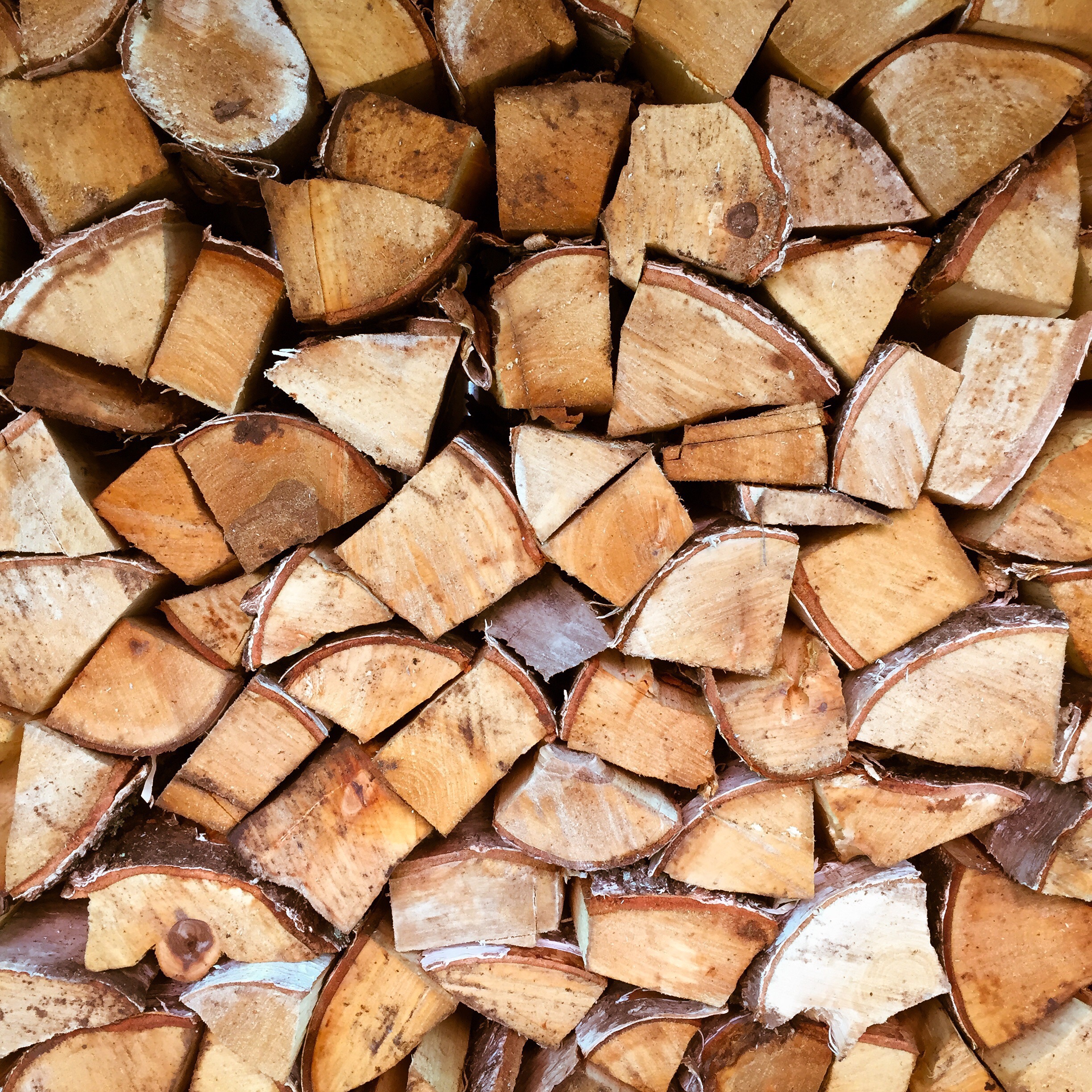
It’s a common misconception that any wood is okay to use, but that’s not true. Yes, you can burn any wood, but hardwoods like oak, maple, or hickory burn hotter and longer than softwoods and produce less smoke and creosote. Make sure the firewood you use is seasoned, meaning it’s been dried for at least six months to a year. Freshly cut wood contains too much moisture, leading to excess smoke and faster creosote buildup.
Check the Fireplace Surround and Hearth
Give the hearth’s bricks or stone a good look over to see if there are any cracks or loose pieces. These are not only unsightly, but they can be dangerous if you don’t fix them. The hearth should extend far enough into the room to protect the floor from errant sparks or embers. If you notice any damage, call a professional fireplace company to see about repairs.
Install or Test Safety Equipment
There’s more to preparing your fireplace than cleaning; you must ensure safety, too! Make sure your home is equipped with:
- Smoke detectors on every level of the house and near bedrooms.
- Carbon monoxide detectors near sleeping areas and the fireplace.
- A fire extinguisher rated for home use, kept in an easily accessible spot.
- A sturdy fireplace screen to prevent sparks and embers from popping out and landing on the floor.
Test your detectors and replace the batteries if needed to ensure your family is protected in case of an emergency.
Consider Efficiency Upgrades
For all their beauty and nostalgia, fireplaces aren’t very efficient as a home heating source. Think about adding an insert or glass doors. Inserts fit inside the existing fireplace and burn wood or gas more efficiently, reducing heat loss and the need for your furnace, which can lower utility costs. Glass doors prevent warm indoor air from escaping up the chimney when you’re not using the fireplace.
You might also want to consider installing a top-sealing damper, which provides a tighter seal than a throat-mounted (bottom) damper to keep drafts out.
Remember Good Burning Habits
Most people don’t think about how they burn wood, but it matters a lot. Don’t build big, hot fires because that can damage the fireplace and cause excess smoke. Also, don’t burn treated or painted wood, cardboard, or paper with colored ink because these can release harmful chemicals. Your fireplace is just that, a fireplace, not a garbage disposal.
Want to know more or need a chimney inspection before winter? Call the experts at Advanced Chimney Sweep in South Carolina and Georgia. Our pros are certified, so you can trust that they know their stuff. Call us today and let us help!