Myths About Waterproofing Chimneys Debunked
Chimney waterproofing is just another way for companies to squeeze more money out of you. Right?
Well, that’s one of the myths we’re going to debunk today and tell you the truth about chimney waterproofing and how it can save you thousands of dollars in repairs and extend your chimney’s lifespan.
Let’s get into it and clear up the nonsense.
Myth 1: Bricks are Waterproof, So My Chimney Doesn’t Need Extra Protection
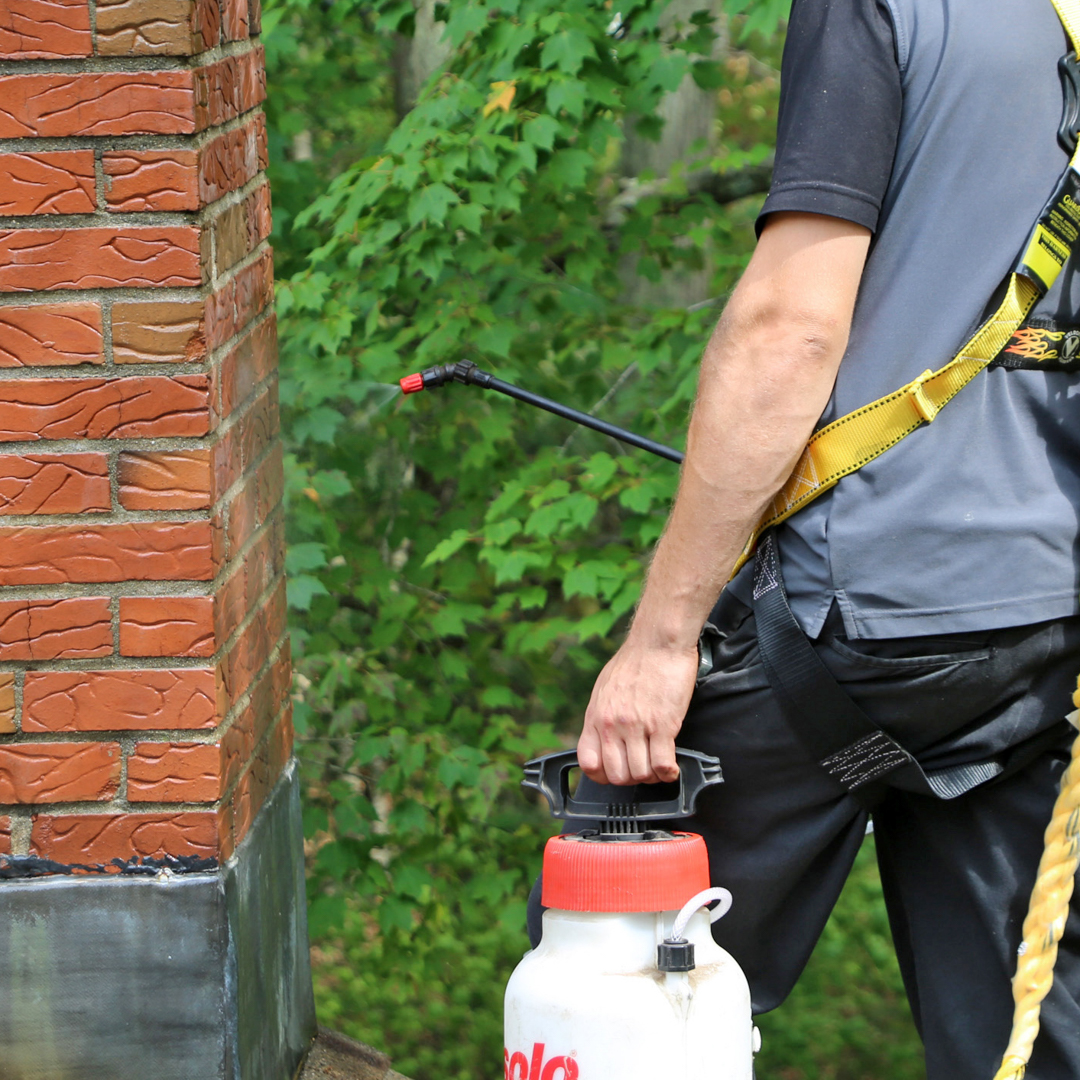
Bricks are hard. Concrete is hard. So, they’re impervious to water, right? Wrong! Bricks and mortar are porous. They absorb water. Over time, that moisture seeps into the brick and mortar, especially during rainy or snowy seasons.
When the temps drop, the trapped water freezes and expands, causing the bricks to crack. Don’t believe us? Ever see what the roads look like after winter? Pothole city!
Once cracks set into your chimney’s bricks, they’ll worsen, leading to flaking (spalling). Waterproofing the chimney with a breathable sealant prevents this by keeping water out while allowing moisture from the inside to escape.
Myth 2: A Little Water Isn’t a Big Deal
It’s normal to brush off a few damp spots or small leaks. But even a “little” moisture can cause major damage over time. Water in the chimney can lead to mold, mildew, and rust on metal components like the damper. It can also weaken mortar joints, causing the bricks to loosen or eventually leading to a chimney collapse.
Waterproofing is like a rain slicker for your chimney. It’s there to keep small problems from turning into big ones. Just because you don’t see water doesn’t mean damage isn’t happening behind the scenes.
Myth 3: A Chimney Cap Will Do
Chimney caps are definitely necessary. They keep rain, debris, and critters out of the flue. But a cap only protects the top of the chimney. Rain can still soak into the sides and mortar joints, especially if the chimney is exposed to wind-driven rain.
Waterproofing your chimney’s exterior is the next layer of defense. A professional-grade waterproof sealant applied to the masonry ensures the chimney is protected from top to bottom, not just from above.
Myth 4: I Can Just Use Paint or Sealer to Waterproof My Chimney
Nope. Standard paints or sealers might look like they’ll keep water out, but they actually trap moisture inside the brick. Remember, chimneys need to breathe. Moisture from the inside (condensation and vapor) has to escape, or you’ll end up with peeling paint, mold growth, and even faster deterioration.
Proper chimney waterproofing products are vapor-permeable. They repel water from the outside but allow moisture from inside to escape naturally. In other words, they keep water out without suffocating the chimney.
Myth 5: Waterproofing Lasts Forever
Nothing lasts forever, especially when it comes to home exteriors exposed to the elements 24/7. Even the best waterproofing materials will wear down over time due to weather exposure and freeze-thaw cycles.
Most professional chimney waterproofing applications last between 7 and 10 years before they need to be reapplied. Regular inspections are key. A chimney professional can test the chimney’s absorption rate and recommend when it’s time for another coat.
Think of it like resealing your driveway or re-staining your deck. It’s maintenance that protects your investment.
Myth 6: If My Chimney Isn’t Leaking, There’s Nothing to Worry About
Here’s the deal. By the time you see visible cracks or water stains, it’s often too late. The damage has already started in the masonry. Cracks, loose mortar, and rusted chimney components can develop long before you see a single drip.
Waterproofing is a preventive step. It’s far cheaper to waterproof a chimney now than rebuild one later. So, even if your chimney looks fine today, waterproofing is a smart move to keep it that way.
Myth 7: I Can Handle Chimney Waterproofing Myself and Save a Few Bucks
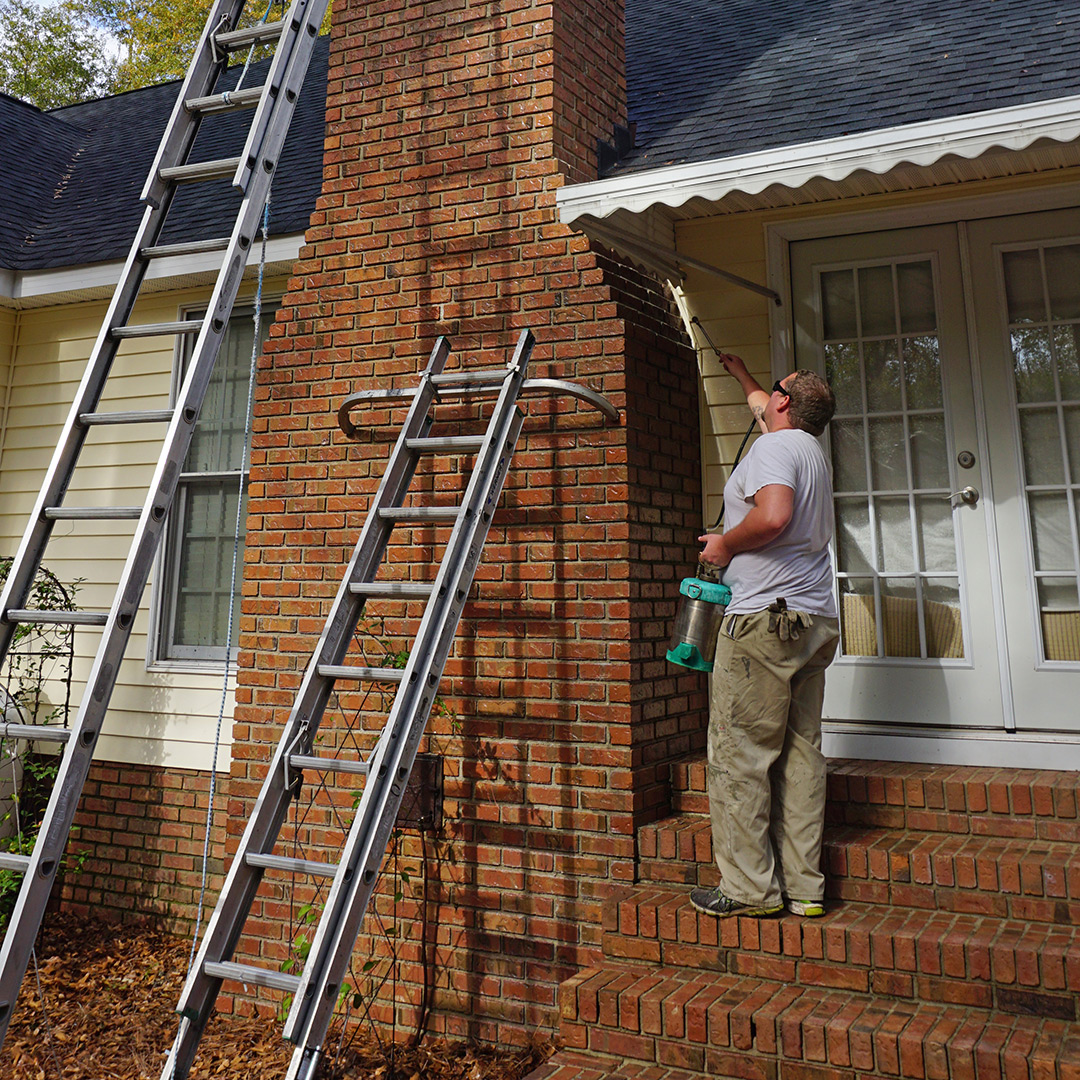
Yes, there are DIY chimney waterproofing products on the market, but applying them properly to ensure maximum protection takes skill. Professionals know how to inspect your chimney for cracks, gaps, and weak spots that need repair before the sealant goes on. If you skip that step, you might be sealing in existing damage, and that can quickly backfire.
A certified chimney professional uses high-grade, breathable products designed specifically for masonry chimneys. You’ll get longer-lasting protection and peace of mind knowing the job was done right.
Hire the Pros at Advanced Chimney Sweep!
Now that all the myths are busted, pick up the phone and call Advanced Chimney Sweep. We’re the go-to chimney and fireplace company in Georgia and South Carolina. We’ll tackle that chimney waterproofing for you and anything else you need. Our technicians are fully certified and highly trained, and we guarantee your satisfaction.