What Type of Damper is Best? Pros and Cons of Each
Chimney dampers play an important role in keeping your fireplace efficient and safe. Its job is to allow smoke to flow up the chimney and out of the house when you’re using the fireplace and prevent air from coming in when you’re not. If a damper fails or doesn’t seal properly, it can lead to higher energy bills, heat loss, and drafts.
If and when you need to replace the damper, you’ll typically have two choices: throat dampers and top-mounted dampers. Each has its advantages and disadvantages, and knowing the differences can help you decide which option is best for your home.
What is a Throat Damper?
A throat damper is the traditional type of chimney damper, located inside the chimney just above the firebox. This metal plate sits in the “throat” of the chimney and opens or closes using a handle or lever located inside the fireplace.
Throat dampers have been used in fireplaces for decades and are still commonly installed in many homes. They are typically made of cast iron or steel and pivot open or closed to regulate airflow.
Pros of Throat Dampers
One of the main benefits of a throat damper is its convenience. Because it is located inside the fireplace, it’s easy to operate using a simple lever or handle. You can open or close the damper quickly whenever you start or finish using the fireplace.
Another advantage is cost. Throat dampers are generally less expensive than top-mounted dampers, both in terms of the damper itself and installation costs. For homeowners looking for a budget-friendly option, this can be appealing.
Throat dampers are also durable when properly maintained. Many older fireplaces still have original throat dampers that continue to function after decades of use.
Cons of Throat Dampers
Despite their longevity, throat dampers have notable drawbacks. One of the biggest issues is that they often don’t seal tightly. Over time, warping, rust, and creosote buildup can prevent the damper from closing completely. This allows cold air to enter the chimney and warm air from your home to escape.
Because the damper is located inside the chimney, it also remains exposed to smoke, heat, and creosote buildup. This can lead to corrosion or mechanical problems that affect performance.
Another disadvantage is energy efficiency. Even when closed, throat dampers tend to allow some airflow, which can contribute to drafts and higher heating or cooling costs.
What’s a Top-Mounted Damper?
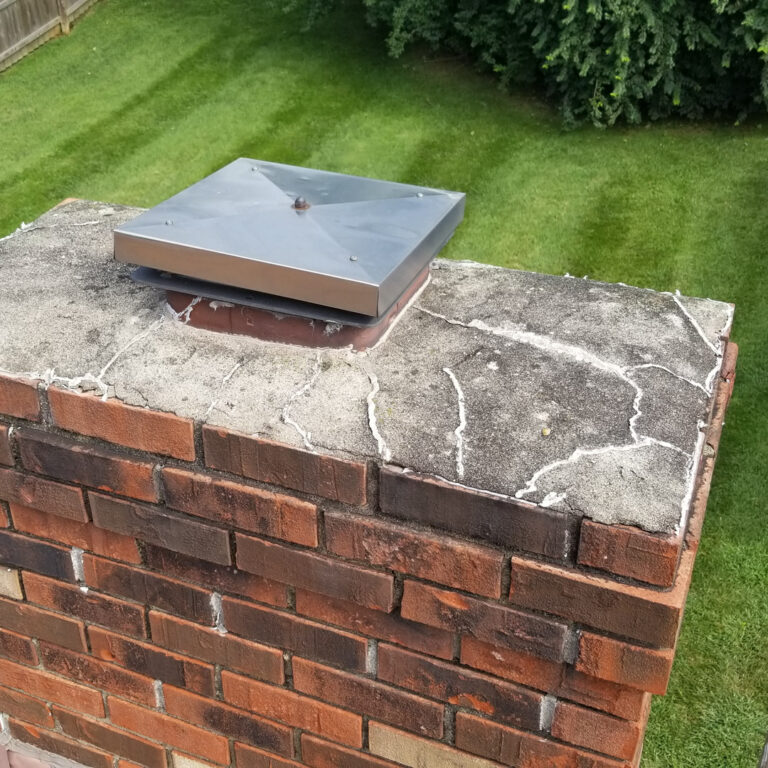
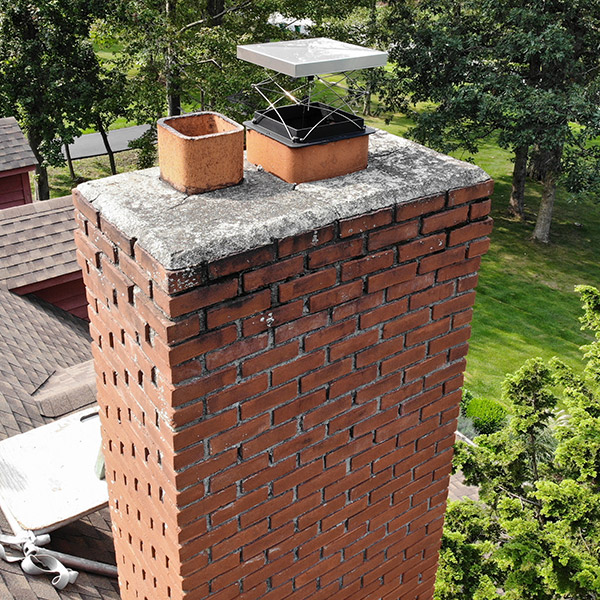
A top-mounted damper, also called a chimney cap damper, is installed at the top of the chimney. Instead of a metal plate inside the fireplace, this uses a spring-loaded lid that seals the chimney opening at the top. These dampers are typically operated using a cable or chain that runs down the chimney and is mounted in the fireplace.
Top-mounted dampers essentially function as both a damper and a chimney cap.
Pros of Top-Mounted Dampers
One of the biggest advantages of a top-mounted damper is its superior seal. These dampers usually use a rubber or silicone gasket that creates an airtight seal when closed. This helps prevent heat loss, keeps cold drafts out, and improves overall energy efficiency.
Another benefit is that top-mounted dampers help protect the chimney itself. Because the lid sits at the top, it also serves as a chimney cap, keeping rain, animals, leaves, and debris from entering the flue.
Top-mounted dampers can also help extend the chimney’s lifespan. By preventing moisture and debris from entering the flue, they reduce the risk of rust, masonry damage, and other chimney problems.
Cons of Top-Mounted Dampers
The biggest drawback of a top-mounted damper is cost. These systems are usually more expensive than throat dampers, and installation may require professional roof work.
Operation can also be slightly less convenient. Instead of a simple lever, most top-mounted dampers rely on a cable or chain system. While these systems are generally reliable, they can sometimes require adjustment or maintenance over time.
Additionally, if the cable or mechanism breaks, the damper may be harder to access since it is located at the top of the chimney.
So, Which is Best?
Both can work well, but many homeowners today prefer top-mounted dampers because they seal better and provide better chimney protection. However, throat dampers can be a good option for people who need something simple and affordable. If you have more questions about your damper or need help replacing or fixing your fireplace damper, call the pros at Advanced Chimney Sweep. We’re a family-owned company of experts with over 20 years of faithfully serving folks across Georgia and South Carolina. Call today!