Why Proper Fireplace Ventilation is Important
What’s the first thing that comes to mind when you think about your fireplace? Heat, right? Definitely not ventilation, though. But good ventilation is one of the most important parts of owning and running a fireplace safely. Without it, you can end up with smoke-filled rooms, carbon monoxide hazards, and long-term damage.
Whether you have a traditional wood-burning fireplace, a gas fireplace, or an insert, the venting system ensures the dangerous gases and particulates are drawn out of the house and up the chimney safely. Here’s why good ventilation matters, how to tell if your fireplace is venting properly, and what you can do about it if it isn’t.
Why Fireplace Ventilation Matters
Safety First: Preventing Carbon Monoxide Poisoning
People mostly associate the fire in a fireplace as the most dangerous aspect, but it’s the buildup of carbon monoxide that you have to worry about. This invisible, odorless gas is produced when you burn fuel, like propane, gas, or wood.
Normally, a well-functioning chimney or vent system carries carbon monoxide safely outside. But if the vent is blocked, damaged, or poorly designed, the gas can back up into the house, and it could be lights out for you or a family member. They don’t call it the silent killer for nothing.
Even mild doses of carbon monoxide can lead to symptoms like dizziness, headaches, or nausea.
Keep Smoke Out of the Home
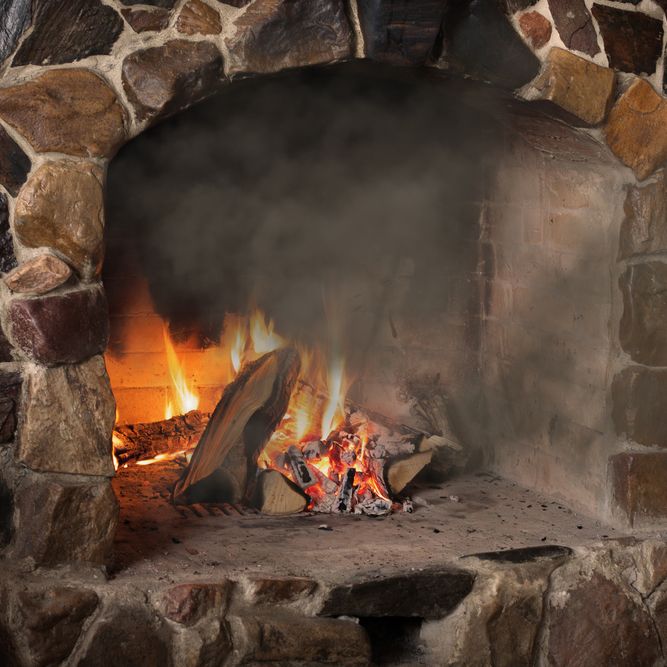
If you’ve ever had smoke pour back into the room after starting a fire, you know how awful and unpleasant it can be. A proper draft in the chimney pulls smoke, ash, and other combustion byproducts upward and out. Poor ventilation leads to a smoky house, soot-stained walls, and respiratory irritation.
Protecting Your Home from Creosote and Damage
Creosote is a natural byproduct of burning wood that comes from the smoke, which contains particles and chemicals that cause this sticky buildup on the chimney’s interior. Over time, creosote can cause damage and lead to chimney fires. Poor ventilation means more smoke, leading to more creosote buildup.
Proper ventilation promotes a hotter, cleaner burn and better smoke evacuation that minimizes creosote buildup.
Improving Efficiency and Comfort
Good ventilation helps the fireplace burn cleaner and hotter, meaning you get more heat from less fuel. Good airflow also controls drafts better in the home and prevents that “smoky smell” from lingering.
Signs Your Fireplace is Venting Properly
A well-ventilated fireplace will:
- Light easily and maintain a steady flame.
- Draw smoke upward almost immediately after lighting a fire.
- Leave little to no soot or smoke odor in the home.
- Have a consistent draft when tested. You can hold a lit match near the opening. If the flame pulls toward the chimney, your draft is good.
If you use a gas fireplace, proper ventilation looks like this:
- The flames burn blue with yellow tips, not yellow or orange.
- There’s no lingering odor of gas or combustion.
- The glass stays pretty clear, with no excessive soot buildup.
Warning Signs of Ventilation Problems
Watch for these signs that signal your fireplace has poor ventilation:
- Excessive smoke or a smoky odor from the firebox.
- Visible soot or discoloration on the walls or ceiling above the fireplace.
- Difficulty keeping the fire lit.
- Backdrafting, when air flows into the home instead of up the chimney.
- Moisture, rust, or white staining on the chimney’s exterior.
What to Do If Your Fireplace Isn’t Venting Properly
Check for Blockages
Bird nests, leaves, or debris can get stuck in the chimney cap or the flue. If you suspect a blockage, don’t try to clear it yourself; hire a professional chimney sweep to inspect and clean it safely.
Get a Professional Chimney Inspection
The National Fire Protection Association (NFPA) says that you should have a chimney inspection at least once a year. Pros can check for creosote buildup, cracked liners, and other damage that could impair ventilation and put your family at risk.
Consider Upgrading Your Vent System
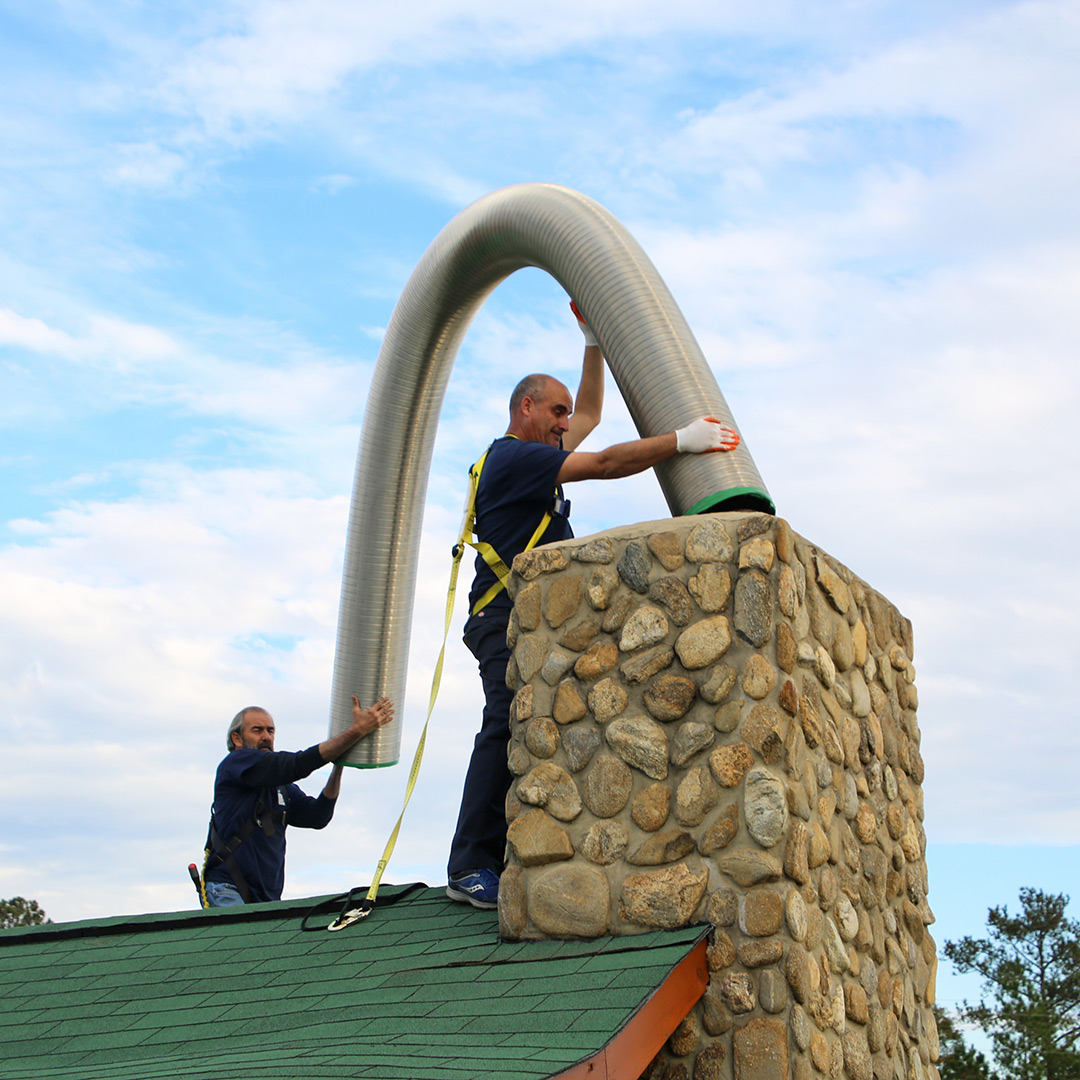
If you have an older fireplace or a newer insert installed in an old chimney, the flue size might not match the unit’s venting requirements. A professional can install a stainless steel liner to improve airflow and safety.
Test the Draft Before Each Use
Before you light a fire, open the damper completely and test the draft with a lit match or piece of paper. If the smoke rises up the flue, you’re good to go. If it drifts into the room, the chimney may be cold or blocked. You can preheat the flue by holding a rolled-up newspaper in the opening until the draft reverses.
Call the Fireplace Pros at Advanced Chimney Sweep
We’re a local, family-owned company operated by certified chimney and fireplace professionals. Call us today to get your chimney cleaned and inspected, and to ensure your venting system is running correctly for better fireplace performance.